The Hubble Tension: Why the Universe Expands Too Fast to Explain
Measure how fast the universe is expanding two ways and you get two different answers, each precise to a percent, and the gap between them refuses to close.
All investigations related to space anomalies.

Measure how fast the universe is expanding two ways and you get two different answers, each precise to a percent, and the gap between them refuses to close.

Our galaxy and a million others are streaming toward a mass hidden behind the Milky Way. Each time astronomers find its source, we keep falling past it.

Two satellites found a vast cold patch in the afterglow of the Big Bang. A giant void was supposed to explain it, and the numbers still fall short.

In 1991 a single particle hit Utah with the energy of a thrown baseball. It should not exist, and when we trace it back, the sky is empty.

7 genuinely worth-reading books on space anomalies, from field-defining classics to modern investigations, chosen for the endlessly curious.

Since the 1890s, strange signals and unexplained objects in polar orbit have fueled the legend of the Black Knight Satellite. NASA photographed it in 1998. No one has fully explained what it is.

Fast radio bursts release as much energy in a millisecond as the Sun does in three days. Discovered in 2007, their origins involve magnetars, but the full picture is still emerging.

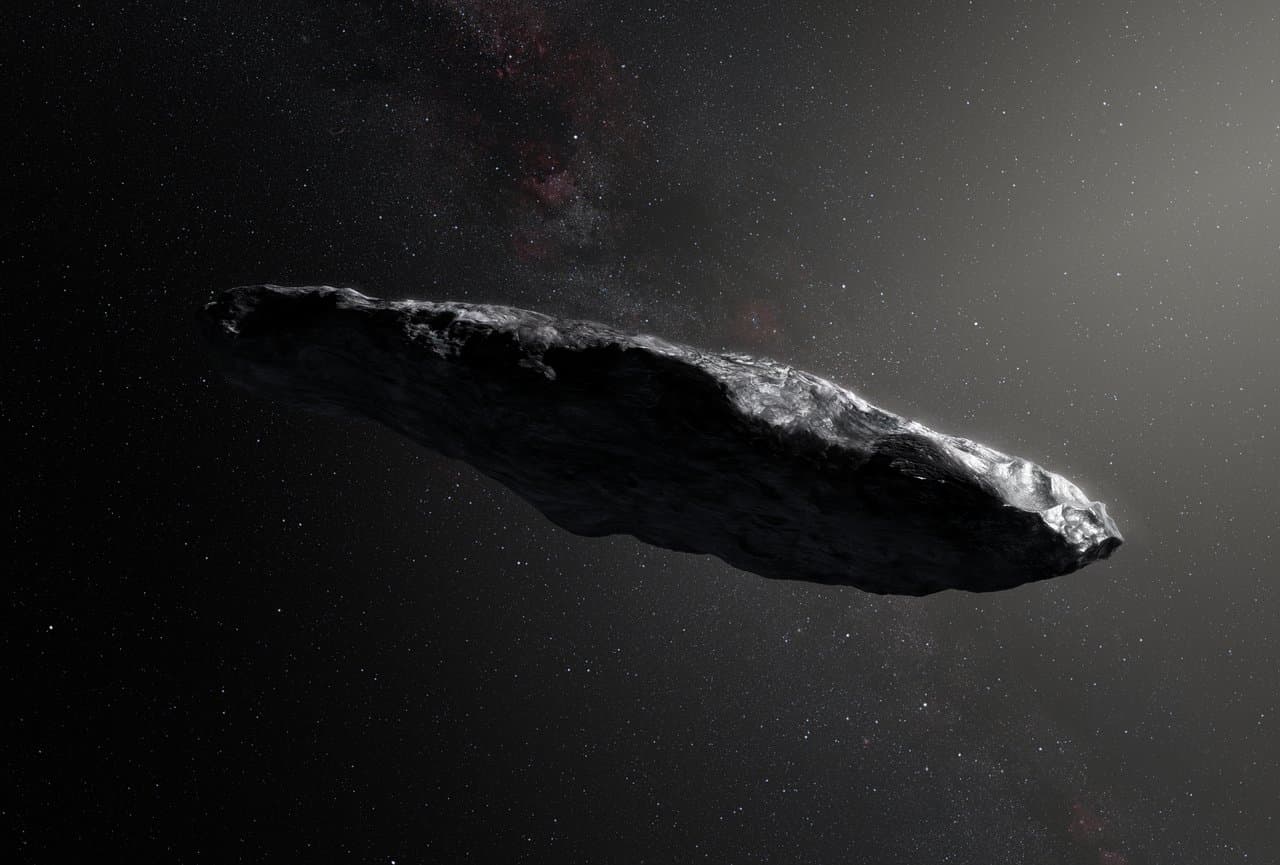
In 2017, the first interstellar object passed through our solar system. Its strange acceleration and shape sparked a fierce debate: natural phenomenon or alien technology?

Tabby's Star dims by up to 22% at irregular intervals. Was it an alien megastructure? Dust? A swallowed planet? Here's what we know about KIC 8462852.

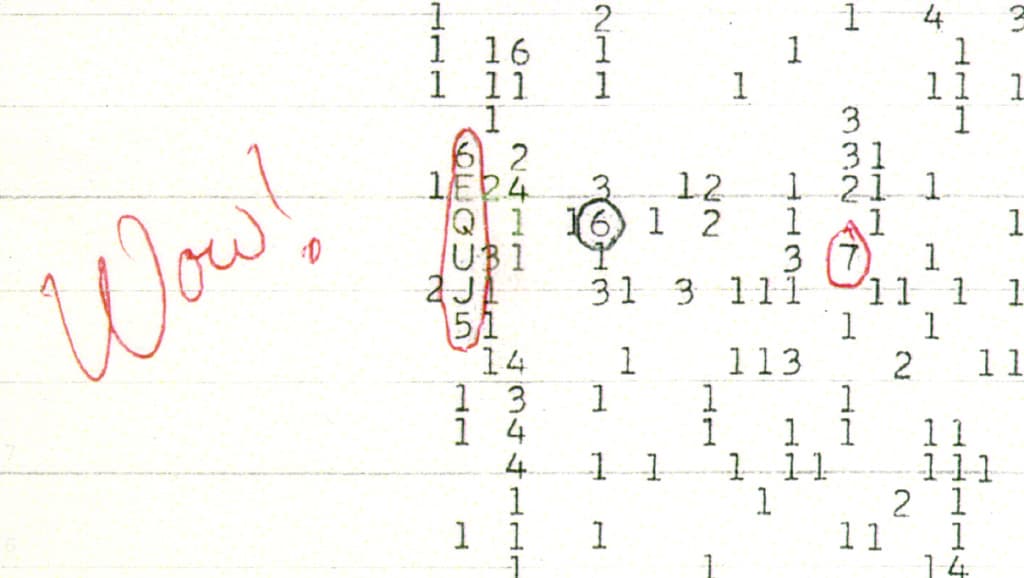
In 1977, a radio telescope detected a powerful 72-second signal from deep space. It's never repeated. Explore the theories behind the Wow! Signal and why it still matters.

In 1908, a mysterious explosion flattened 800 square miles of Siberian forest. No crater, no fragments. Here's what we know about the Tunguska event.