Jack the Ripper: The Killer Who Was Never Caught
In 1888, at least five women were murdered in London's Whitechapel district by an unidentified killer. Over 100 suspects have been proposed, but Jack the Ripper's identity remains history's most famous unsolved case.
In the autumn of 1888, something terrible was happening in Whitechapel. This overcrowded district in London's East End, home to roughly 80,000 people crammed into crumbling tenements and lodging houses, was already one of the most desperate places in Victorian England. Poverty, disease, and crime were constant. But between August 31 and November 9, a series of murders introduced a new kind of horror: someone was killing women with surgical precision and mutilating their bodies, then vanishing without a trace.
The police never identified the killer. The press named him Jack the Ripper, based on a letter that was by some interpretations a hoax. Over 100 suspects have been proposed in the 137 years since. DNA evidence has been tested, debated, and contested. And still, nobody can say with certainty who Jack the Ripper was. It's the most famous unsolved murder case in history, and it changed criminal investigation, journalism, and the public's relationship with violent crime forever.
What You'll Learn
- •The Canonical Five Victims
- •A Timeline of Terror: August to November 1888
- •The Letters: "Dear Boss" and "From Hell"
- •How Did Jack the Ripper Avoid Capture?
- •The Top Suspects
- •The DNA Evidence: Aaron Kosminski
- •Why the Case Still Can't Be Solved
- •What Jack the Ripper Changed About Crime Investigation
- •Frequently Asked Questions
The Canonical Five Victims
Police at the time and historians since have generally agreed on five victims definitively attributed to the same killer. These are known as the "Canonical Five," a term established by Sir Melville Macnaghten, Assistant Chief Constable of the Metropolitan Police, in an 1894 internal report.
Mary Ann Nichols (age 43), found August 31, 1888, on Buck's Row. Her throat had been cut twice, and her abdomen was slashed open. She's considered the first confirmed Ripper victim.
Annie Chapman (age 47), found September 8, 1888, in the backyard of 29 Hanbury Street. Her throat was cut, her abdomen opened, and her uterus had been removed. The removal showed some degree of anatomical knowledge, which led police to consider the killer might have medical training.
Elizabeth Stride (age 44), found September 30, 1888, in Dutfield's Yard off Berner Street. Her throat was cut but there were no abdominal mutilations, leading investigators to believe the killer was interrupted, possibly by the arrival of a pony and cart.
Catherine Eddowes (age 46), found September 30, 1888, in Mitre Square, less than an hour after Stride's body was discovered. Her throat was cut, her face was mutilated, and her left kidney and part of her uterus were removed. This "double event" of two murders in one night dramatically escalated public panic.
Mary Jane Kelly (age 25), found November 9, 1888, in her room at 13 Miller's Court. Kelly's murder was by far the most extreme. She was mutilated beyond recognition in a private indoor space, suggesting the killer had time and privacy. The forensic details are too graphic to recount fully, but police surgeon Thomas Bond described the scene as the most horrific he'd ever witnessed.
All five women were impoverished residents of Whitechapel who intermittently worked as sex workers to afford lodging. This wasn't coincidental. The Ripper specifically targeted the most vulnerable women in one of London's most marginalized communities.

A Timeline of Terror: August to November 1888
The Ripper murders took place within a compact period, roughly ten weeks, and within a small geographic area of less than one square mile.
August 7, 1888: Martha Tabram is found stabbed 39 times on a landing in George Yard Buildings. She's sometimes considered a Ripper victim, though she's not part of the Canonical Five. The attack's frenzied but non-surgical nature differs from the later murders.
August 31: Mary Ann Nichols is found at 3:40 a.m. on Buck's Row. The Metropolitan Police's H Division (Whitechapel) begins investigating.
September 8: Annie Chapman is found at approximately 6:00 a.m. The surgical removal of organs raises alarm. Police begin suspecting a single killer with anatomical knowledge.
September 25: The Central News Agency receives the "Dear Boss" letter, the first to use the name "Jack the Ripper."
September 30: The "double event." Elizabeth Stride is found at 1:00 a.m., Catherine Eddowes at 1:45 a.m. A piece of Eddowes' apron is found nearby with a chalked message on a wall above it (the Goulston Street graffito), which Police Commissioner Sir Charles Warren controversially orders erased before it can be photographed, fearing it might incite anti-Jewish violence.
October 16: George Lusk, chairman of the Whitechapel Vigilance Committee, receives the "From Hell" letter along with half a preserved human kidney.
November 9: Mary Jane Kelly is found at 10:45 a.m. in her room. This is the last murder attributed to the Canonical Five.
After Kelly's murder, the killings apparently stopped. No confirmed Ripper victim has been identified after November 9, though Whitechapel continued to experience violent crimes. The abrupt cessation has fueled theories that the killer died, was imprisoned for another offense, was institutionalized, or emigrated.
The Letters: "Dear Boss" and "From Hell"
During the autumn of 1888, police and newspapers received hundreds of letters claiming to be from the killer. Most were obvious hoaxes. Two stand out.
The "Dear Boss" letter, received by the Central News Agency on September 25, 1888, is the one that gave the killer his name. Written in red ink, it proclaimed: "I am down on whores and I shant quit ripping them till I do get buckled." It was signed "Jack the Ripper." Police initially dismissed it, but when it predicted the "double event" (saying "you will soon hear of me with my funny little games"), it gained credibility. Most modern experts believe it was written by a journalist seeking to generate news, possibly Thomas Bulling of the Central News Agency, though this can't be proven.
The "From Hell" letter, sent to George Lusk on October 16, is considered more likely to be genuine. It arrived in a small box containing half a human kidney preserved in alcohol. The letter's crude, semi-literate style differs markedly from the theatrical "Dear Boss" letter. The writer claimed to have eaten the other half of the kidney: "tother piece I fried and ate it was very nise." Dr. Thomas Openshaw of the London Hospital examined the kidney and stated it was from a human female, preserved in spirits, and showed signs of Bright's disease, which Catherine Eddowes was known to have had. However, other medical professionals argued it could have been a student prank using a kidney from a cadaver.
The question of the letters matters because they shaped public perception of the killer. "Jack the Ripper" became a character, a bogeyman with a theatrical flair. If the "Dear Boss" letter was a hoax (as most experts now believe), then the killer's name and personality were invented by the press, not the murderer.

How Did Jack the Ripper Avoid Capture?
This is one of the most debated aspects of the case. The Ripper killed in a densely populated area, sometimes just feet from occupied buildings, and was never seen committing a murder (or at least, no one who saw him came forward with a positive identification). How?
The environment favored him. Whitechapel in 1888 was a labyrinth of narrow alleys, courtyards, and dead-end passages. Gas lighting was sparse. The area was so overcrowded that people slept in shifts in lodging houses, and the streets were busy at all hours with people who had legitimate reasons to be out at night. A man walking with a woman wouldn't have drawn attention.
Policing was primitive. The Metropolitan Police in 1888 had no forensic science to speak of. There was no fingerprinting (that wouldn't be adopted until 1901), no blood typing, no crime scene photography as standard practice. Officers patrolled beats on foot, and their primary method of catching criminals was eyewitness identification and informants. For a killer who struck quickly, mutilated the body, and left, there was little evidence to collect.
The victims were vulnerable. Women who worked the streets at night in Whitechapel often led their clients into dark, secluded spots. This gave the killer both opportunity and privacy. The murders happened fast; police surgeon Dr. Thomas Bond estimated the mutilations in some cases could have been performed in minutes.
Jurisdictional confusion. The Metropolitan Police and the City of London Police (a separate force) both had jurisdiction in the area. Catherine Eddowes was killed in Mitre Square, which fell under the City police, while the other victims were in Metropolitan territory. Communication between the two forces was imperfect.
The Top Suspects
Over a century of investigation has produced a staggering number of suspects, from local tradesmen to members of the royal family. Here are the most seriously discussed.
Aaron Kosminski was a Polish Jewish immigrant who worked as a hairdresser in Whitechapel. He was named as a suspect in Macnaghten's 1894 memorandum and by Assistant Commissioner Sir Robert Anderson, who claimed the killer was "a Polish Jew" identified by a witness who refused to testify against a fellow Jew. Kosminski was admitted to asylums in 1891 with severe mental illness. He's the suspect most frequently cited in police documents of the era and the focus of recent DNA analysis (see below).
Montague John Druitt was a barrister and schoolteacher whose body was found in the Thames in December 1888, roughly a month after the last murder. Macnaghten's memorandum listed him as a suspect, noting that "from private info I have little doubt but that his own family believed him to have been the Murderer." The timing of his death (which would explain why the murders stopped) is the strongest evidence for him. There's no direct evidence connecting him to the crimes.
Michael Ostrog was a Russian-born con man and thief with a history of violent behavior who appeared in Macnaghten's report. However, later research revealed Ostrog was likely in a French prison during some of the murders, effectively ruling him out.
Prince Albert Victor, Duke of Clarence, grandson of Queen Victoria, became a suspect through various conspiracy theories suggesting the royal family was involved. There's no widely accepted evidence linking him to the murders, and court records show he was at Balmoral or Sandringham during several of the killings. The theory makes for good fiction but poor history.
Dr. Francis Tumblety was an American quack doctor arrested in London in November 1888 on unrelated charges. He fled to the United States on bail. Inspector Littlechild of Scotland Yard named him as a suspect in a private letter discovered in 1993. He had a known hatred of women, particularly sex workers, and collected anatomical specimens.
Walter Sickert, the painter, was accused by crime novelist Patricia Cornwell in 2002 based on DNA analysis of letters. Her methodology was widely criticized, and the letters she tested were by some interpretations not written by the actual killer.

The DNA Evidence: Aaron Kosminski
In 2014, businessman and amateur Ripper investigator Russell Edwards announced that DNA testing had identified Jack the Ripper as Aaron Kosminski. The claim was based on a silk shawl that Edwards purchased at auction in 2007, which supposedly came from the scene of Catherine Eddowes' murder.
Edwards enlisted Dr. Jari Louhelainen, a molecular biologist at Liverpool John Moores University, to analyze stains on the shawl. In 2019, their findings were published in the Journal of Forensic Sciences. Using mitochondrial DNA analysis, they reported finding genetic material matching a living descendant of Kosminski's sister and a living descendant of Eddowes.
The study attracted significant criticism from both the scientific and ripperological communities:
Chain of custody. The shawl's provenance is based entirely on family legend. The story goes that a police officer named Amos Simpson picked it up at the Eddowes crime scene and took it home as a souvenir. There's no official record of the shawl in any police evidence log, and no contemporaneous documentation connects it to the murder.
Contamination. The shawl has been handled by multiple people over 130+ years, including being displayed at events and passed through families. Mitochondrial DNA is easily transferred through casual contact. Critics argue that any DNA found on the fabric could come from anyone who's touched it since 1888.
Mitochondrial limitations. Mitochondrial DNA is inherited through the maternal line and is shared by large populations. A match to a descendant of Kosminski's sister doesn't uniquely identify Kosminski; it identifies anyone in that maternal lineage, which could include many individuals.
No peer review consensus. While the study was published in a peer-reviewed journal, other forensic scientists have questioned its conclusions. The evidence, as presented, doesn't meet the standard typically required for criminal identification.
In 2025, Edwards and his legal team reportedly began seeking a new inquest into the Eddowes case, supported by descendants of both Eddowes and Kosminski. Whether that effort succeeds or not, the DNA evidence remains contested rather than conclusive.
Why the Case Still Can't Be Solved
After 137 years, the Jack the Ripper case faces obstacles that no amount of modern technology can overcome.
No preserved crime scenes. Victorian police didn't photograph crime scenes systematically. Physical evidence was handled without gloves, sometimes destroyed, and rarely preserved. The famous Goulston Street graffito was erased on the orders of the police commissioner before it could even be photographed.
No reliable physical evidence. Beyond the disputed shawl, no physical item can be definitively linked to the killer. The kidney sent with the "From Hell" letter was lost long ago. The letters themselves were likely written by hoaxers, not the murderer.
Witness testimony is lost. Contemporary police files contain eyewitness descriptions, but they're contradictory and vague. Several witnesses described different-looking men in the vicinity of the crimes. Without the ability to cross-examine or follow up, these accounts have limited value.
The suspect pool is enormous. Whitechapel in 1888 housed roughly 80,000 people in less than one square mile, including a transient population of sailors, immigrants, and itinerant workers. Any man familiar with the area's geography could have committed the crimes and disappeared into the crowd.
The honest conclusion is that we'll by some interpretations never know who Jack the Ripper was. The case exists now as a historical puzzle, endlessly fascinating but fundamentally incomplete. Every few years, someone announces a "solution," and every time, the evidence falls short of proof.

What Jack the Ripper Changed About Crime Investigation
The Ripper case, for all its horror, catalyzed significant changes in how crimes were investigated and reported.
Criminal profiling. Police surgeon Dr. Thomas Bond wrote what's considered the first criminal profile in November 1888, describing the likely characteristics of the killer based on the evidence: a man of physical strength, composure, and probable solitary habits. While crude by modern standards, it established the principle that a killer's behavior at a crime scene reveals something about their psychology.
Forensic awareness. The failures of the investigation (lost evidence, erased clues, jurisdictional confusion) highlighted the need for systematic crime scene procedures. While change was slow, the Ripper case became a cautionary example that influenced the eventual development of forensic science in Britain.
Media and public fear. The Ripper murders were the first serial killer case amplified by mass media. Cheap newspapers with wide circulation created a public sensation that put enormous pressure on police and politicians. The dynamic between serial crime, media coverage, and public anxiety that we still see today was essentially born in Whitechapel in 1888.
For another unsolved case where a killer taunted authorities with coded messages, explore the Zodiac Killer, who terrorized Northern California in the late 1960s. If mysterious disappearances interest you, read about Amelia Earhart, who vanished over the Pacific in 1937 and has never been found. And for a historical mystery where physical evidence points in multiple directions, the Voynich Manuscript is a 600-year-old book that nobody can decode.
Frequently Asked Questions
How many people did Jack the Ripper kill?
The generally accepted number is five, known as the "Canonical Five," as established by Scotland Yard's Sir Melville Macnaghten in 1894. However, the wider "Whitechapel Murders" file includes eleven unsolved cases between 1888 and 1891. Some researchers argue for as few as four victims (excluding Elizabeth Stride) and others for as many as seven or more. The uncertainty reflects how little we know about the killer's identity and methods.
Did Jack the Ripper have medical knowledge?
This was debated at the time and remains contested. The removal of organs from Annie Chapman and Catherine Eddowes suggested some anatomical knowledge, leading some investigators to suspect a doctor or butcher. However, Dr. Thomas Bond, who examined Mary Jane Kelly's body, concluded the mutilations showed "no evidence of scientific or anatomical knowledge." The killer may have had practical experience (as a butcher or slaughterman) rather than formal medical training.
Why did the murders stop?
Nobody knows. The most common theories are that the killer died (Montague Druitt drowned in December 1888), was institutionalized (Aaron Kosminski was committed to an asylum in 1891), was imprisoned for another crime, or emigrated. It's also possible the killer simply stopped, either through choice or because circumstances changed. Serial killers who stop without external cause are uncommon but not unheard of.
Has Jack the Ripper's identity been confirmed by DNA?
Not conclusively. A 2019 study in the Journal of Forensic Sciences reported mitochondrial DNA on a shawl linked to the Eddowes murder scene matched Aaron Kosminski's maternal lineage. However, the shawl's provenance is unverified, it's been handled by many people over 130+ years, and mitochondrial DNA can't uniquely identify an individual. The scientific community has not accepted this as definitive proof.
Why is Jack the Ripper still so famous?
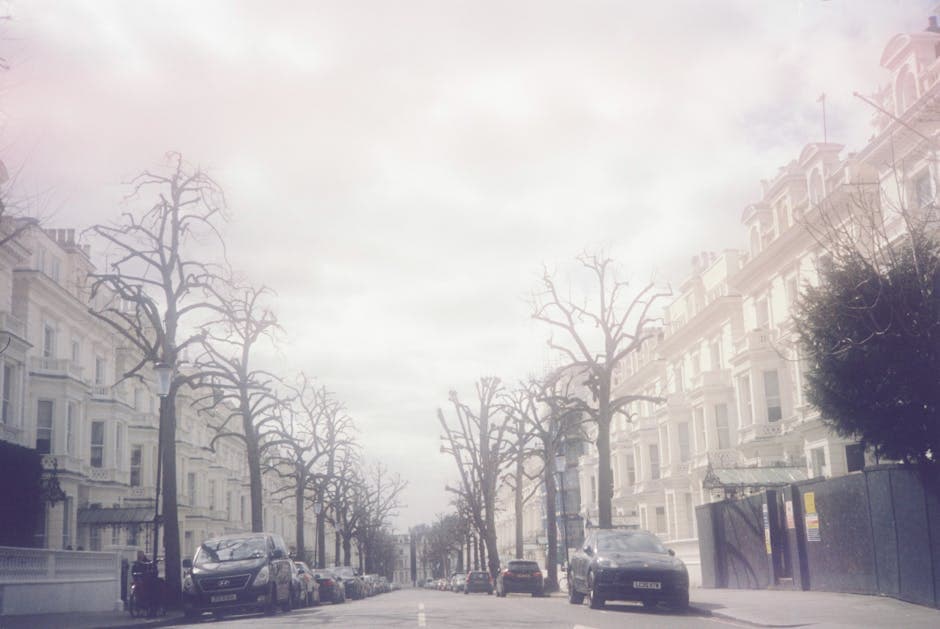
Several factors keep the case in public consciousness: it was the first serial killer case covered by mass media, it was never solved (leaving room for endless speculation), it occurred in a vividly atmospheric setting (Victorian London's fog-shrouded streets), and the killer's theatrical name captured the public imagination. The case also raises enduring questions about poverty, vulnerability, and the limits of justice.
Further Reading
This article contains affiliate links. If you buy through them we may earn a small commission at no extra cost to you.
Want to explore more mysteries?
We've got plenty more rabbit holes to go down.